

¿UV o EC? Reducción de los costes de inversión en el tratamiento del agua de lastre
Las decisiones sobre la gestión del agua de lastre no deben tomarse por defecto, especialmente en lo que respecta a la elección de la tecnología: rayos UV o electrocloración (EC). Si se plantean las preguntas adecuadas, se pueden reducir considerablemente tanto los costes y los riesgos como las limitaciones operativas. Descubra por qué el tratamiento con rayos UV de Alfa Laval PureBallast 3 es la opción más inteligente para la gestión del agua de lastre, incluso en buques en los que la electrocloración es la norma actual.
- Reducir al mínimo el espacio que ocupa el sistema y las modificaciones en los buques
- Reducir el tiempo de estancia en el astillero y los costes de inversión
- Evita los productos químicos caros, peligrosos y nocivos
- Maximizar la flexibilidad y la eficiencia operativas
Ahorra en gastos de capital leyendo entre líneas
Con una solución UV como PureBallast 3, el sistema de tratamiento del agua de lastre queda perfectamente contenido, al igual que sus costes. La electrocloración (EC) implica una extensa red de tuberías, además de la probable reconversión de su tanque de popa (APT) para que sirva como fuente de agua salada. Esos metros y conexiones adicionales aumentan tanto los costes como el espacio ocupado.
Sistema UV (PureBallast 3)
- Totalmente integrado en el flujo de agua de lastre existente
- No se utiliza el APT: la embarcación puede mantener la asimetría
Sistema EC (flujo completo)
- Integrado en gran medida en el flujo de agua de lastre existente
- Sistema APT y tuberías para el control de la salinidad
- Tuberías de acero inoxidable (SUS) para sistemas de tratamiento de aguas residuales y de neutralización
Sistema EC (flujo lateral/flujo de arrastre)
- Tuberías de polietileno para el transporte de hipoclorito corrosivo
- APT y tuberías para el control de la salinidad
- Tuberías de acero inoxidable (SUS) para sistemas de calefacción, TRO y neutralización
- Tuberías hasta la cubierta para la ventilación de gases peligrosos
Opta por el tratamiento UV para evitar los costes ocultos de la CE
El tratamiento del agua de lastre con rayos UV es un proceso físico sencillo, sin aditivos ni pasos intermedios. El agua de lastre se filtra y se expone directamente a la luz ultravioleta, lo que neutraliza los organismos que contiene. La cloración electrolítica (EC), por su parte, es un proceso químico, aunque el cloro se produzca a bordo. El cloro debe añadirse al agua de lastre, y cualquier residuo o gas peligroso que se genere debe eliminarse. Dado que la generación de cloro requiere agua salina caliente, también pueden ser necesarios sal y calor. En total, hay muchas tuberías y gastos que no suelen reflejarse en la oferta del sistema.
Sigue leyendo para descubrir los costes ocultos de un sistema EC.
Tuberías más caras y más largas
A diferencia de los sistemas UV, en los que el agua de lastre simplemente fluye a través de reactores que la exponen a la luz ultravioleta, los sistemas de tratamiento de agua de lastre por electrocoagulación (EC) requieren cientos o miles de metros de tuberías. Este complejo sistema de tuberías conduce los productos químicos y el agua hacia y desde el proceso de tratamiento del agua de lastre, pero también es necesario para la neutralización química y, en ocasiones, como medida de seguridad para la ventilación de gases peligrosos. Las tuberías se extienden a lo largo de amplias secciones del buque, especialmente cuando se utiliza el tanque de popa (APT) para ajustar la salinidad, lo cual ocurre casi siempre.
Materiales exclusivos y costosos
La longitud y la complejidad de las tuberías de los sistemas de tratamiento de agua de lastre EC son solo el primer problema. A todos esos metros hay que sumar el coste de los materiales. Dado que las tuberías deben resistir el agua de mar y los productos químicos, muchas de ellas deben revestirse con polietileno o fabricarse en acero inoxidable (SUS). La adquisición de estos materiales puede llevar más tiempo a los astilleros y, a menudo, resultan mucho más caros que los materiales estándar.
Válvulas más caras
Siempre que hay tuberías destinadas a múltiples procesos, se necesitan válvulas para dirigir los distintos flujos. En un sistema de tratamiento de agua de lastre de la CE, hay flujos para transportar productos químicos, calentar el agua, añadir salinidad y neutralizar los oxidantes residuales totales (TRO), por citar algunos ejemplos. Las válvulas necesarias son costosas de por sí, pero también suponen puntos adicionales de complejidad que requieren mantenimiento y podrían fallar.
Componentes de soporte más costosos
Debido a las tuberías, las válvulas y su extensa disposición, el diseño de un sistema de tratamiento de agua de lastre de tipo EC puede resultar mucho más complejo que el de un sistema UV, que es compacto y de tamaño reducido. Es necesario construir estructuras adicionales para soportar las diferentes partes de un sistema EC, que también puede incluir calentadores, detectores de gas y otros componentes que no se incluyen en el alcance del proveedor.
Tiempo y costes de instalación
Cuanto más complejo es un sistema de tratamiento de agua de lastre, mayor es el trabajo que supone su instalación para un astillero. Al instalar un sistema de electrocoagulación (EC), el coste de esa complejidad adicional se refleja de dos maneras: en el coste de la mano de obra del astillero y en el tiempo que el buque permanece fuera de servicio. Al optar por un sistema de rayos ultravioleta (UV) en lugar de uno de electrocoagulación (EC), se pueden ahorrar muchos días de trabajo en el astillero.
¿Quieres profundizar en el tema?
ToPara obtener más información sobre los temas mencionados anteriormente y por qué son importantes a la hora de elegir una tecnología de tratamiento de agua de lastre, no dude en descargar nuestra breve guía.
Comparación de los costes de inversión en sistemas UV y EC
Descubra de forma rápida y clara cómo la tecnología de tratamiento de agua de lastre que elija influye en la inversión en su sistema. Nuestra breve guía explica las complejidades ocultas de los sistemas de electrocloración (EC) y muestra por qué las soluciones UV, como PureBallast 3, son más sencillas y rentables en lo que respecta a la adquisición y la instalación.
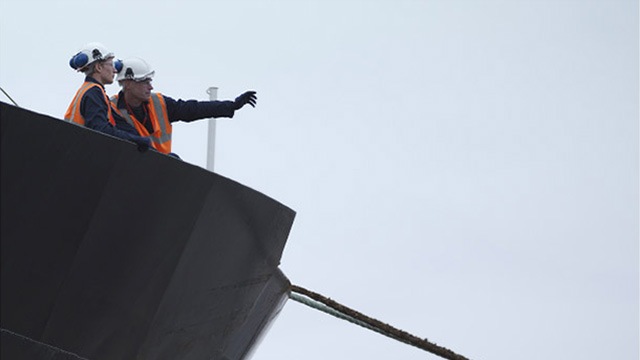
Opiniones de los armadores sobre los costes de instalación
Millenia Maritime Inc. ha optado por el tratamiento de las aguas de lastre mediante rayos ultravioleta con PureBallast 3 para su flota de petroleros MR, en lugar de la electrocloración (EC). Esta decisión ha permitido ahorrar tiempo y dinero en el astillero.
«Hemos obtenido muy buenos resultados de instalación en todos nuestros buques, pero también hemos logrado un tiempo de comercialización competitivo», afirma el director general Francesco Ricciardi. «En el análisis de rentabilidad del proyecto, reducir el tiempo de permanencia en el astillero tiene un gran valor. Cada día que el buque está en el agua es un día en el que puede generar ingresos».
Póngase en contacto con nosotros para analizar la elección entre UV o EC
La elección de la tecnología adecuada puede ser la decisión más importante que tome en materia de gestión del agua de lastre. Estaremos encantados de comentarlo con usted, ya sea de forma breve o en profundidad.